
What Is Automotive Injection Molding? Complete Technical Guide
2026-10-23


SHD specializes in one-stop service of general and high-precision tooling from design, processing & fabrication, tooling trail, mass production to supply chain management.
Excellence Manufacturing Every Time
In the fast-paced world of consumer electronics, high precision and flawless surface finish are non-negotiable. Whether you are building smart watch housings, thin-wall phone cases, or laptop frames, designing a reliable 3C electronics injection mold requires a solid grasp of both material behavior and mechanical precision.
Over the years, our engineering team at SHD has worked on high-volume production lines for computers, communications, and consumer electronics (3C). Experience has taught us that small design choices made early in the CAD stage make a massive difference during real-world production. Below, we walk through the essential technical considerations every engineer should keep in mind when approaching 3C electronics injection molding.
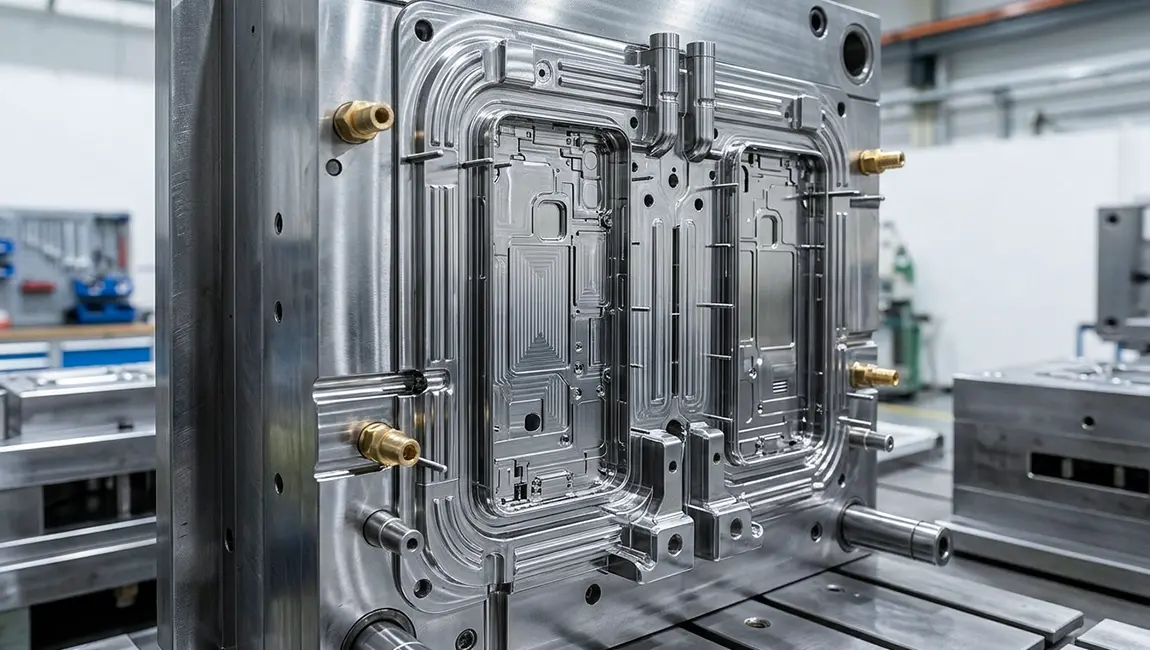
One of the most common issues in 3C electronic components is warpage caused by non-uniform cooling. Because 3C housings tend to be thin and light, keeping wall thickness consistent across the part is crucial.
Electronics parts often feature deep pockets, snap-fits, and tight rib patterns. Without appropriate draft angles, parts can stick to the cavity or show unsightly drag marks upon ejection.
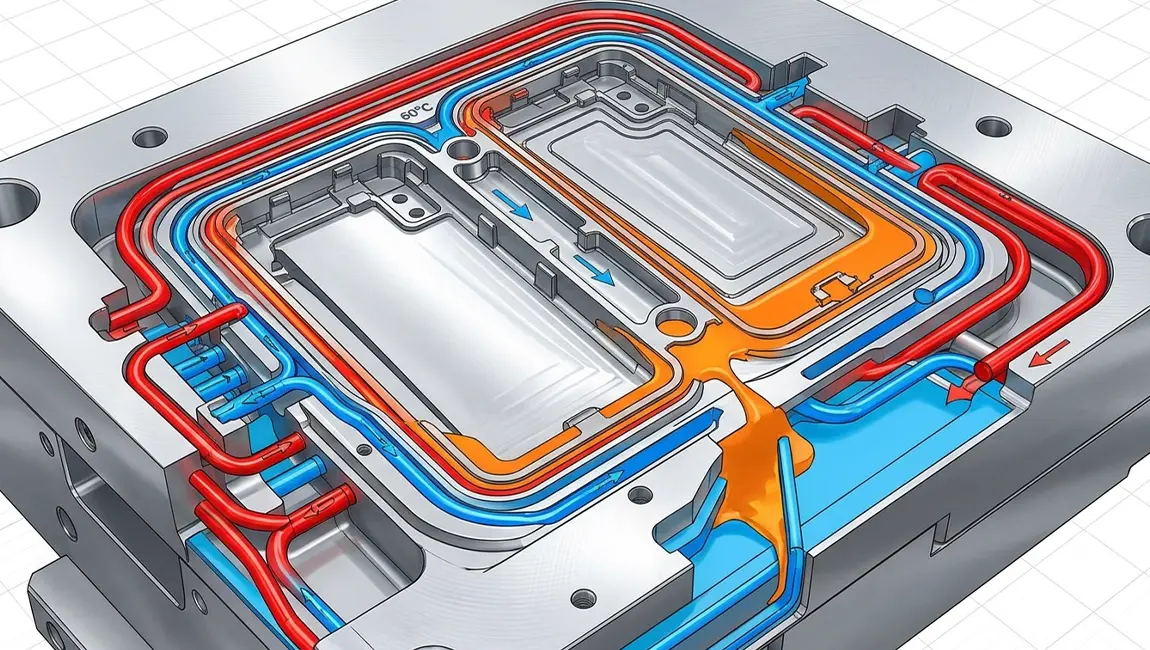
Gate placement directly impacts how molten plastic fills the mold cavity, affecting cosmetic quality, weld lines, and cycle times.
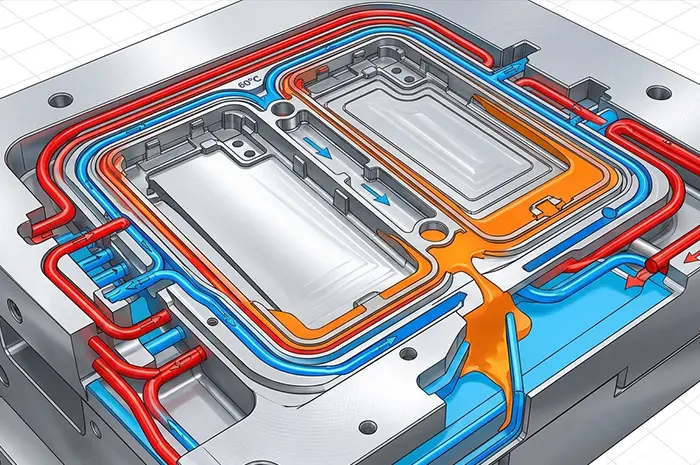
Controlling thermal performance is essential for maintaining tight dimensional tolerances and short cycle times.
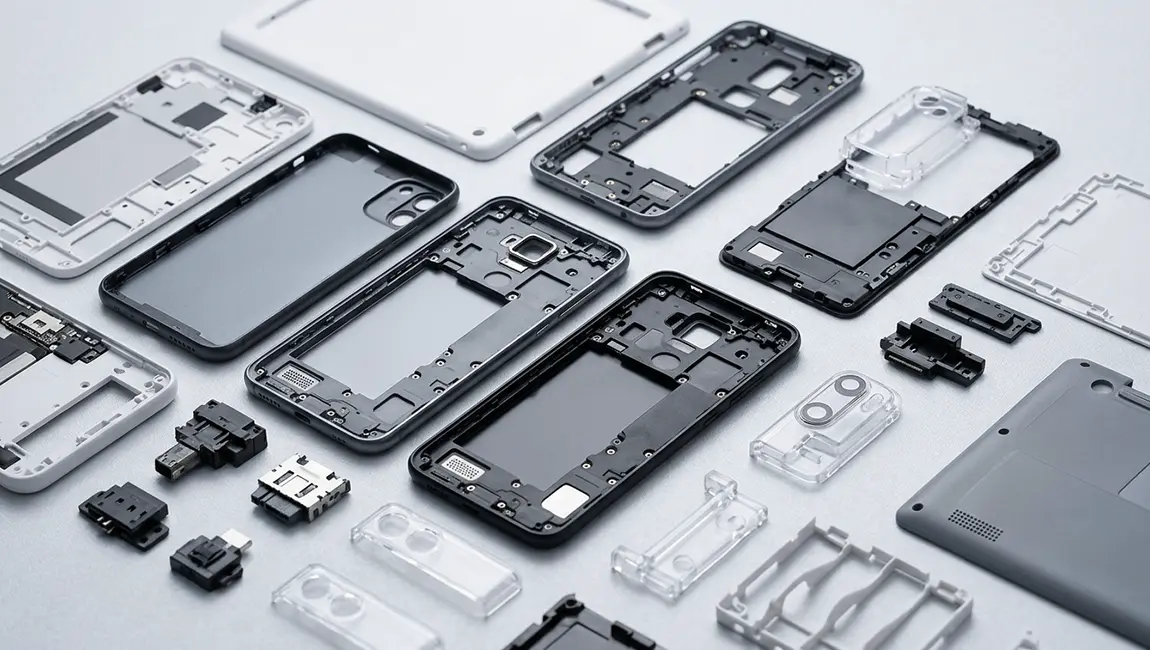
3C electronics injection molding often uses abrasive or glass-filled resins like PC+ABS, PBT, or LCP. Standard mold steels will wear down quickly under high-volume production. At SHD, we carefully evaluate resin properties before matching them with suitable mold steels.
A: PC/ABS blends are widely used due to their high impact strength and dimensional stability. LCP, PBT, and PA66 are also popular for high-frequency or high-temperature internal components.
A: Sink marks are usually prevented by keeping ribs and bosses beneath 50%–60% of the main wall thickness, optimizing pack/hold pressure during molding, and ensuring adequate cooling time.
A: Hot runner systems prevent cosmetic gate blemishes on external surfaces, reduce material waste, lower injection pressure requirements, and significantly shorten production cycle times.
A: Precision 3C molds can consistently achieve tight dimensional tolerances within ±0.02 mm to ±0.05 mm, depending on the resin type, part geometry, and process control.
A: Thin-wall designs (under 1.0 mm) require higher injection pressures, specialized tool steels to withstand force, aggressive venting to avoid burning, and highly uniform cooling layouts to prevent warping.

Tel/Whatsapp: +86 15062600514
E-mail: sales@shdmold.com

Email: sales@shdmold.com
Address: NO.199, TongQiu Road, Zhangpu Town, Kunshan City, Jiangsu, China
Mobile: +86 15062600514